Skin aesthetics courses in Pakistan are becoming increasingly popular among students, beauty professionals, aestheticians, and individuals who want to build practical skills in professional skincare and aesthetic treatments.
Modern aesthetics goes beyond basic facials. Professional training can introduce learners to skin analysis, treatment planning, facial techniques, skincare products, aesthetic technologies, hygiene, client consultation, and responsible treatment practices.
For anyone considering a career in the beauty and aesthetics industry, choosing the right training program is an important decision. A good course should provide a clear syllabus, practical learning, experienced trainers, appropriate equipment, and a strong focus on hygiene and client safety.
Cosmothetics Academy offers aesthetic education in Lahore for learners interested in developing their knowledge and practical skills in skincare and aesthetics.
Whether you are a beginner or already working in the beauty industry, a structured skin aesthetics course in Pakistan can help you build a stronger foundation and explore different career opportunities.
What Are Skin Aesthetics Courses?
Skin aesthetics courses are educational programs that focus on professional skincare and non-surgical aesthetic techniques.
Depending on the level and curriculum, students may learn about:
- Skin anatomy and basic physiology
- Skin types
- Skin analysis
- Facial treatments
- Skin cleansing and exfoliation
- Product selection
- Chemical peel fundamentals
- Microneedling fundamentals
- Laser and light-based technology
- Skin rejuvenation
- Acne and pigmentation considerations
- Hygiene and sanitation
- Client consultation
- Treatment preparation and aftercare
- Contraindications and safety considerations
The exact subjects vary from one institute to another. Therefore, students should always review the current syllabus before enrolling.
Why Study Skin Aesthetics in Pakistan?
Pakistan has a growing beauty, skincare, and aesthetic services industry. As consumers become more interested in professional skincare, salons, clinics, and beauty businesses increasingly require people with relevant practical skills.
Studying locally can provide several advantages.
Convenient Learning
Students can complete their education within Pakistan rather than travelling abroad for basic aesthetic training.
Practical Exposure
Hands-on practice can help learners understand techniques more effectively than theory alone.
Industry-Relevant Skills
A well-designed program can introduce students to commonly used skincare concepts and aesthetic technologies.
Career Development
Skin aesthetics education can complement existing qualifications in beauty, cosmetology, skincare, or related fields.
Opportunity to Specialize
After developing foundational knowledge, students can explore advanced areas according to their qualifications and applicable professional requirements.
What Do You Learn in a Skin Aesthetics Course?
A comprehensive program can cover several important areas.
1. Skin Anatomy and Physiology
Understanding the skin is essential before performing professional skincare treatments.
Students may learn about:
- Epidermis
- Dermis
- Skin barrier
- Sebaceous glands
- Sweat glands
- Collagen and elastin
- Basic skin functions
This foundation helps students understand how different treatments interact with the skin.
2. Skin Types and Conditions
Different people have different skin characteristics.
Students can learn about common skin types, including:
- Normal skin
- Dry skin
- Oily skin
- Combination skin
- Sensitive skin
Training may also introduce common concerns such as:
- Acne
- Hyperpigmentation
- Uneven skin tone
- Dehydration
- Dullness
- Fine lines
- Uneven texture
However, aesthetic training should not be confused with medical diagnosis. Persistent, severe, or unusual skin problems may require assessment by a qualified healthcare professional.
Professional Skin Analysis
Skin analysis is one of the most useful skills for an aesthetic professional.
Before recommending a treatment, students can learn how to assess factors such as:
- Skin type
- Hydration
- Oiliness
- Texture
- Pigmentation
- Sensitivity
- Visible signs of congestion
- General skin condition
A proper assessment helps professionals avoid using the same treatment for every client.
For example, a treatment that works well for oily skin may not be appropriate for someone with highly sensitive or compromised skin.
Facial Treatment Training
Professional facial treatments are commonly included in skin aesthetics education.
Students may learn about:
- Cleansing
- Exfoliation
- Steam where appropriate
- Extraction techniques
- Masks
- Massage
- Hydration
- Finishing products
- Post-treatment care
The exact techniques depend on the course curriculum.
Practical training can help students improve their hand movements, product application, treatment sequence, and client communication.
Chemical Peel Fundamentals
Chemical peels are another important topic in many aesthetic programs.
Students may learn about:
- Types of chemical exfoliants
- Basic peel concepts
- Skin preparation
- Treatment selection
- Contraindications
- Post-treatment care
- Possible reactions
Because chemical peels can cause irritation, burns, pigmentation changes, or other complications when used incorrectly, students should learn them under appropriate professional supervision.
The level of chemical peel training should also correspond to the learner’s qualifications and applicable local regulations.
Microneedling Fundamentals
Some advanced skin aesthetics courses introduce microneedling.
Microneedling uses controlled mechanical stimulation of the skin and may be used in professional settings for selected skin-quality concerns.
Training may cover:
- Basic principles
- Skin assessment
- Treatment preparation
- Device handling
- Hygiene
- Treatment protocols
- Aftercare
- Contraindications
Students should understand that completing an aesthetic course does not automatically authorize them to perform every medical or regulated procedure.
Laser and Light-Based Technology
Modern aesthetic education may also introduce learners to laser and light-based technologies.
Depending on the program, students may study the basic principles behind:
- Laser hair reduction
- Skin rejuvenation
- Pigmentation-focused treatments
- Light-based treatments
- Carbon laser concepts
- Other aesthetic technologies
The specific devices and procedures taught should be clearly listed by the academy.
Laser procedures can carry risks, particularly when incorrect settings or unsuitable treatment protocols are used. Appropriate training, supervision, qualifications, and applicable regulations are therefore important.
Skin Rejuvenation
Skin rejuvenation is a broad area of aesthetics.
Students may learn about professional approaches designed to improve the appearance of:
- Dull skin
- Uneven texture
- Fine lines
- Uneven tone
- Certain pigmentation concerns
- Dehydrated skin
Treatment selection should always be based on individual skin characteristics rather than simply choosing the newest or most expensive procedure.
Hygiene and Infection Prevention
Hygiene is one of the most important parts of professional aesthetic education.
Students should understand:
- Hand hygiene
- Clean treatment areas
- Instrument cleaning
- Appropriate disinfection
- Single-use items
- Safe product handling
- Waste disposal
- Cross-contamination prevention
Good hygiene protects both the client and the professional.
Client Consultation Skills
Technical skills are only one part of working in aesthetics.
Students also need to learn how to communicate with clients professionally.
A consultation may involve discussing:
- Main skin concerns
- Previous treatments
- Current skincare products
- Allergies
- Relevant medical information
- Treatment expectations
- Possible risks
- Aftercare
- Follow-up requirements
Good communication helps create realistic expectations and supports better client experiences.
Contraindications and Client Safety
A responsible aesthetics course should teach students when a treatment may not be appropriate.
Depending on the procedure, considerations may include:
- Active skin infections
- Open wounds
- Certain inflammatory skin conditions
- Allergies
- Medication use
- Recent procedures
- Pregnancy or breastfeeding where relevant
- History of abnormal wound healing
- Other medical factors
Students should learn to recognize situations requiring referral to an appropriately qualified healthcare professional.
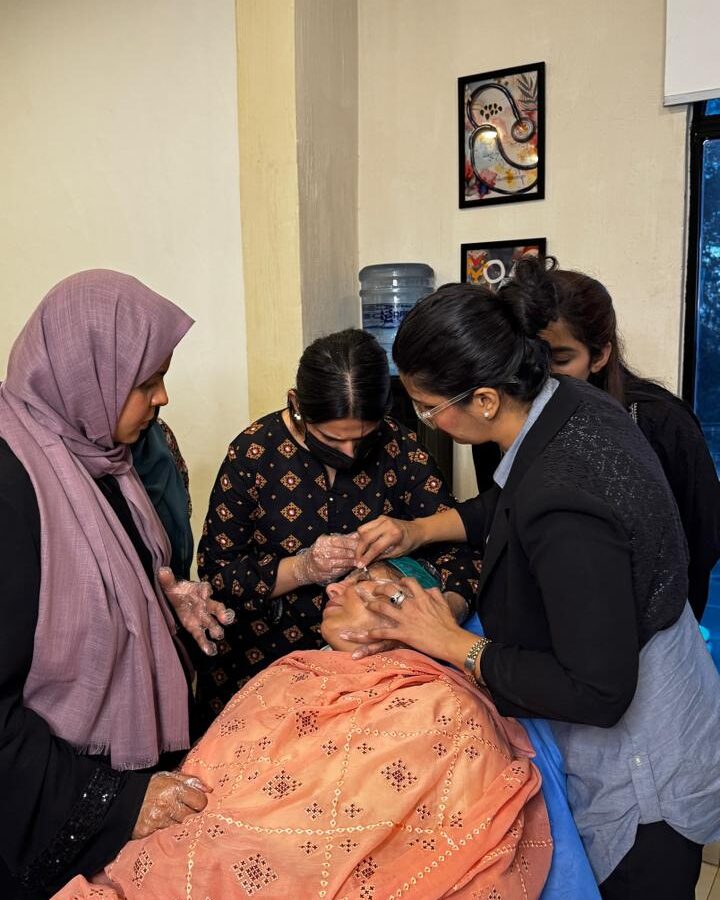
Practical Training Matters
One of the biggest differences between simply reading about aesthetics and attending professional training is practical experience.
Hands-on sessions can help students practice:
- Skin analysis
- Facial protocols
- Product application
- Treatment preparation
- Device handling where included
- Hygiene procedures
- Client consultation
- Aftercare instructions
Trainer feedback can help students identify mistakes and improve their technique.
Before joining a course, ask how many practical sessions are included and whether students work on models under supervision.
Who Can Join Skin Aesthetics Courses?
The eligibility requirements depend on the individual program.
Potential learners may include:
Beginners
People starting their journey in skincare and beauty can use foundational courses to develop basic knowledge.
Beauticians
Existing beauticians can expand their skincare skills.
Aestheticians
Professionals can use further education to develop their knowledge of advanced techniques.
Beauty Professionals
Salon professionals may add aesthetic skincare knowledge to their existing services.
Entrepreneurs
People planning a beauty or skincare business may find aesthetics education useful for building their professional skill set.
For programs involving medical procedures, eligibility and scope of practice should be confirmed carefully.
Benefits of Skin Aesthetics Training
Professional training can provide several benefits.
Build Technical Knowledge
You can develop a stronger understanding of skin, skincare products, treatment principles, and aesthetic procedures.
Improve Practical Skills
Supervised practice can help you become more confident with appropriate techniques.
Understand Client Needs
Learning consultation and skin assessment can help you create more personalized treatment plans within your scope of practice.
Expand Your Professional Skills
Aesthetics training can complement beauty, cosmetology, and skincare qualifications.
Explore Career Opportunities
Depending on your qualifications and local requirements, you may explore work in salons, aesthetic businesses, skincare settings, or freelance beauty services.
How to Choose the Best Skin Aesthetics Course in Pakistan
When searching for the best skin aesthetics courses in Pakistan, do not rely only on advertising claims.
Consider these factors instead.
Course Syllabus
Check exactly what topics are covered.
A good syllabus should clearly explain the theory and practical components.
Practical Sessions
Ask how much hands-on training you will receive.
Trainer Experience
Review the qualifications and relevant professional experience of the trainers.
Training Equipment
If the program includes aesthetic devices, ask which technologies students will actually learn.
Hygiene Standards
Visit the academy if possible and evaluate the learning environment.
Course Duration
Compare course duration with the amount of material being taught.
Certificate or Diploma
Ask what qualification you receive after completing the course and who issues it.
Do not assume that every certificate or diploma has government, university, medical-board, or international recognition. Verify the specific claim before enrolling.
Student Support
Trainer guidance, practical feedback, and access to learning materials can make training more useful.
Why Choose Cosmothetics Academy?
Cosmothetics Academy provides aesthetic education in Lahore for learners interested in professional skincare and aesthetics.
Students considering the academy should review the current program details and confirm what is included in the specific course.
A practical skin aesthetics program may focus on areas such as:
- Skin analysis
- Facial treatments
- Skincare knowledge
- Aesthetic technology fundamentals
- Treatment protocols
- Hygiene
- Client consultation
- Safety
- Practical training
Before enrollment, ask the academy about the current course duration, fee, eligibility, syllabus, practical hours, trainers, equipment, certificate/diploma details, and class schedule.
This information gives students a clearer understanding of what they will actually receive.
Skin Aesthetics Courses in Lahore for Students Across Pakistan
Although the keyword targets Pakistan as a whole, Lahore is an important center for beauty and aesthetic education.
Students from different cities may consider Lahore-based training depending on their travel and learning requirements.
Cosmothetics Academy can position its training for learners who want to study aesthetics in Lahore while targeting a broader Pakistani audience.
However, students travelling from another city should consider:
- Course duration
- Accommodation and travel
- Practical hours
- Schedule
- Course fees
- Training facilities
- Certification details
Career Opportunities After Skin Aesthetics Training
A skin aesthetics qualification or training program can help learners explore several career directions, depending on their existing qualifications and applicable regulations.
Possible areas include:
Aesthetician
Work in appropriate beauty or aesthetic environments within your scope of practice.
Skincare Professional
Provide suitable skincare services based on your training.
Beauty Salon Professional
Add professional skincare services to an existing beauty career.
Aesthetic Business
Develop a beauty or skincare business after gaining suitable skills and understanding business requirements.
Freelance Beauty Services
Some trained professionals offer selected services independently.
Career success depends on practical ability, qualifications, experience, business skills, local regulations, and client demand. A course should not be presented as a guarantee of employment or income.
Can a Skin Aesthetics Course Make You a Doctor?
No.
A skin aesthetics course, certificate, or diploma does not automatically make someone a medical doctor.
Medical practice requires the relevant medical education, registration, licensing, and other requirements applicable in the jurisdiction.
Aesthetic training can provide valuable professional skills, but learners should understand the difference between:
- Beauty training
- Aesthetician training
- Aesthetic technician training
- Medical aesthetic training
- Medical degrees
- Specialist medical qualifications
This distinction is particularly important for courses that discuss injectables, lasers, or other procedures that may be regulated.
Skin Aesthetics Course vs Short Beauty Course
| Feature | Short Beauty Course | Skin Aesthetics Course |
|---|---|---|
| Skin fundamentals | Basic | More detailed |
| Skin analysis | Limited | More focused |
| Facial treatments | Often included | Commonly included |
| Aesthetic technology | Limited | May be included |
| Treatment planning | Basic | More developed |
| Hygiene | Included | Important component |
| Practical training | Varies | Should be substantial |
| Advanced topics | Limited | May include selected advanced topics |
The right option depends on your current experience and career goals.
How to Build a Career in Skin Aesthetics
A practical career path can look like this:
Step 1: Choose an appropriate introductory or advanced course.
Step 2: Learn skin fundamentals and treatment principles.
Step 3: Practice techniques under supervision.
Step 4: Improve consultation and communication skills.
Step 5: Build a genuine portfolio of permitted work.
Step 6: Gain professional experience.
Step 7: Continue learning advanced techniques where appropriate.
Step 8: Develop your professional or business skills.
Continuous education is valuable because skincare products, technologies, and professional practices continue to evolve.
Is a Skin Aesthetics Course Worth It?
For someone interested in professional skincare and beauty, a skin aesthetics course in Pakistan can be a worthwhile educational investment when the program provides meaningful practical training and a clear curriculum.
Before enrolling, compare the course content, practical sessions, trainers, facilities, fees, duration, and qualification details.
The best course is not necessarily the one with the biggest marketing claims. It is the one that provides relevant education, responsible practical training, and clear information about what students will learn.
Start Your Aesthetic Education with Cosmothetics Academy
If you want to develop professional skincare and aesthetic skills, structured training can provide a valuable foundation.
Skin aesthetics courses in Pakistan can cover everything from skin analysis and facial treatments to aesthetic technologies, hygiene, consultation, and treatment planning.
Cosmothetics Academy in Lahore can be considered by students looking for aesthetics education. Before joining, confirm the latest course syllabus, duration, practical hours, eligibility, fees, trainers, equipment, and certificate or diploma details.
With the right education, regular practice, and continued professional development, you can build a stronger foundation for your future in the beauty and aesthetics industry.
Frequently Asked Questions
1. What are skin aesthetics courses in Pakistan?
Skin aesthetics courses teach professional skincare and aesthetic concepts such as skin analysis, facial treatments, product knowledge, hygiene, client consultation, and selected aesthetic technologies.
2. Can beginners join skin aesthetics courses?
Yes, some programs are designed for beginners. However, eligibility varies between courses, so students should check the requirements before enrollment.
3. What do I learn in a skin aesthetics course?
Depending on the syllabus, you may learn skin anatomy, skin analysis, facial treatments, skincare products, chemical peel fundamentals, microneedling fundamentals, aesthetic technology, hygiene, consultation, and aftercare.
4. Are skin aesthetics courses suitable for beauticians?
Yes. A skin aesthetics course can help beauticians expand their existing skincare knowledge and professional skill set.
5. Can I learn laser treatments through a skin aesthetics course?
Some advanced programs may introduce laser and light-based technologies. However, the exact procedures taught, eligibility, supervision, and scope of practice depend on the program and applicable regulations.
6. Do skin aesthetics courses include practical training?
Many professional programs include practical sessions. Always ask the academy how many practical hours and supervised sessions are included.
7. How long does a skin aesthetics course take?
Duration varies significantly depending on the course level and syllabus. Contact the academy for its current course duration and schedule.
8. Will I receive a certificate after completing the course?
This depends on the specific program. Ask the academy what certificate or diploma is awarded and whether it has any external recognition.
9. Can a skin aesthetics course make me a doctor?
No. An aesthetics course does not make someone a medical doctor. Medical practice requires the relevant medical education, registration, licensing, and other applicable requirements.
10. Can I start a beauty business after completing a skin aesthetics course?
The training can help develop relevant skills, but starting and operating a business also involves business planning, appropriate qualifications, hygiene requirements, licensing where applicable, and compliance with local rules.
11. How do I choose the best skin aesthetics course in Pakistan?
Compare the syllabus, practical training, trainer experience, equipment, course duration, fees, training environment, certificate details, and student support.
12. Is skin aesthetics training useful for salon professionals?
Yes. It can complement existing salon skills and help professionals expand their knowledge of skincare and aesthetic services.
13. Can students from other Pakistani cities study in Lahore?
Yes, depending on the academy’s schedule and enrollment arrangements. Students should consider travel, accommodation, course duration, practical hours, and overall cost.
14. Why choose Cosmothetics Academy for skin aesthetics training?
Cosmothetics Academy can be considered by learners interested in professional aesthetics education in Lahore. Students should confirm the current curriculum, practical sessions, trainers, course duration, fees, equipment, and qualification details before enrollment.