The aesthetics industry is increasingly focused on treatments that improve the appearance and condition of the skin without conventional surgery. This has created interest in structured education for people who want to develop professional skills in modern skincare and non-invasive aesthetic procedures.
If you are searching for a non-invasive aesthetic course, it is important to choose training that covers more than individual treatment techniques. A useful program should also introduce students to skin anatomy, client assessment, consultation, hygiene, treatment planning, safety and aftercare.
Cosmothetics Academy currently offers a Non-Invasive Aesthetics Diploma at its Lahore campus. The academy describes the program as a foundation-to-advanced course with 150+ hours of training. Its published curriculum includes chemical peels, Hydrafacials, microneedling, laser skin rejuvenation, skin analysis and consultation, and client safety and aftercare.
This guide explains what a non-invasive aesthetic course involves, what students can learn, who may be suitable for the program, and what to check before enrolling.
What Is a Non-Invasive Aesthetic Course?
A non-invasive aesthetic course is a professional training program focused on aesthetic and skincare procedures that do not involve conventional surgery.
Depending on the curriculum, students may learn about:
- Skin anatomy and physiology
- Skin analysis
- Client consultation
- Facial treatments
- Chemical peels
- Hydrafacial treatments
- Microneedling
- Laser skin rejuvenation
- Skin polishing and exfoliation
- Treatment preparation
- Hygiene and sanitation
- Client safety
- Aftercare
- Treatment documentation
The exact procedures covered vary between academies.
It is also important to distinguish non-invasive training from medical qualification. Completing a beauty or aesthetic course does not automatically make a person a doctor, dermatologist or licensed healthcare professional.
Why Study Non-Invasive Aesthetics?
Non-invasive aesthetics combines skincare knowledge with modern aesthetic technology.
Structured training can help learners understand how to:
- Assess different skin types
- Select appropriate treatments
- Prepare clients
- Use aesthetic equipment appropriately within their training
- Maintain hygiene
- Explain aftercare
- Recognize situations that require referral
- Communicate professionally with clients
Instead of learning individual procedures separately, a broader course can provide a foundation for understanding how different treatments fit into an overall skincare approach.
What Do You Learn in a Non-Invasive Aesthetic Course?
Cosmothetics Academy’s current Non-Invasive Aesthetics Diploma lists several core learning areas.
1. Skin Anatomy and Physiology
Understanding the skin is one of the foundations of aesthetic education.
Students can learn about:
- Epidermis and dermis
- Skin barrier
- Sebaceous glands
- Collagen and elastin
- Skin hydration
- Skin aging
- Basic skin functions
This knowledge helps students understand why treatments may affect different skin concerns in different ways.
2. Skin Analysis
Professional skin analysis helps identify the client’s individual needs.
Training may cover assessment of:
- Skin type
- Oiliness
- Dryness
- Dehydration
- Sensitivity
- Pigmentation
- Acne-prone skin
- Texture
- Visible signs of aging
A proper assessment should take place before recommending an aesthetic procedure.
3. Client Consultation
Consultation is an important part of responsible aesthetic practice.
Students can learn how to discuss:
- Client concerns
- Treatment expectations
- Previous aesthetic treatments
- Skincare routines
- Allergies and sensitivities
- Relevant medications
- Previous reactions
- Current skin condition
- Treatment goals
Good consultation helps ensure that treatment recommendations are appropriate and realistic.
Chemical Peel Training
Chemical peels use chemical solutions to produce controlled exfoliation of the skin.
A non-invasive aesthetics course may introduce students to:
- Different types of chemical peels
- Treatment indications
- Skin preparation
- Application principles
- Contraindications
- Safety considerations
- Post-treatment care
Students should understand that different acids, concentrations and formulations have different effects and risks.
Chemical peel training should therefore include appropriate safety considerations rather than focusing only on application technique.
Hydrafacial Training
Hydrafacial-style treatments are commonly associated with cleansing, exfoliation, extraction and hydration.
Students may learn about:
- Skin preparation
- Treatment stages
- Device handling
- Product application
- Skin assessment
- Hygiene
- Treatment customization
- Aftercare
The exact protocol depends on the equipment and products used during training.
Cosmothetics Academy specifically lists Hydrafacials among the treatments covered by its current Non-Invasive Aesthetics Diploma.
Microneedling Training
Microneedling is an aesthetic procedure involving controlled micro-injuries to the skin.
Training may cover:
- Basic treatment principles
- Skin assessment
- Device handling
- Hygiene
- Treatment preparation
- Contraindications
- Aftercare
- Potential complications
Microneedling is not simply a beauty technique that should be learned from a short online video. Appropriate training, professional scope and applicable local requirements should be considered before offering the procedure.
Cosmothetics Academy currently includes microneedling in its Non-Invasive Aesthetics Diploma curriculum.
Laser Skin Rejuvenation Training
Modern aesthetic practice can involve different laser and light-based technologies.
A non-invasive aesthetic course may introduce students to:
- Basic laser principles
- Skin rejuvenation
- Laser safety
- Treatment indications
- Skin assessment
- Equipment handling
- Client protection
- Post-treatment care
Cosmothetics Academy currently lists laser skin rejuvenation as one of the subjects in its Non-Invasive Aesthetics Diploma.
Laser procedures require particular attention to skin type, treatment parameters, equipment instructions and practitioner training.
Client Safety and Aftercare
A strong non-invasive aesthetics program should teach students how to think about safety before, during and after treatment.
Important areas include:
- Hygiene
- Sanitation
- Equipment cleaning
- Client consultation
- Consent
- Contraindications
- Appropriate treatment selection
- Protective equipment
- Product handling
- Aftercare
- Recognizing adverse reactions
- Referral when necessary
Cosmothetics Academy lists client safety and aftercare as part of its current Non-Invasive Aesthetics Diploma.
Practical Training Is Important
Aesthetic procedures are practical skills. Students need opportunities to translate theoretical knowledge into controlled practical work.
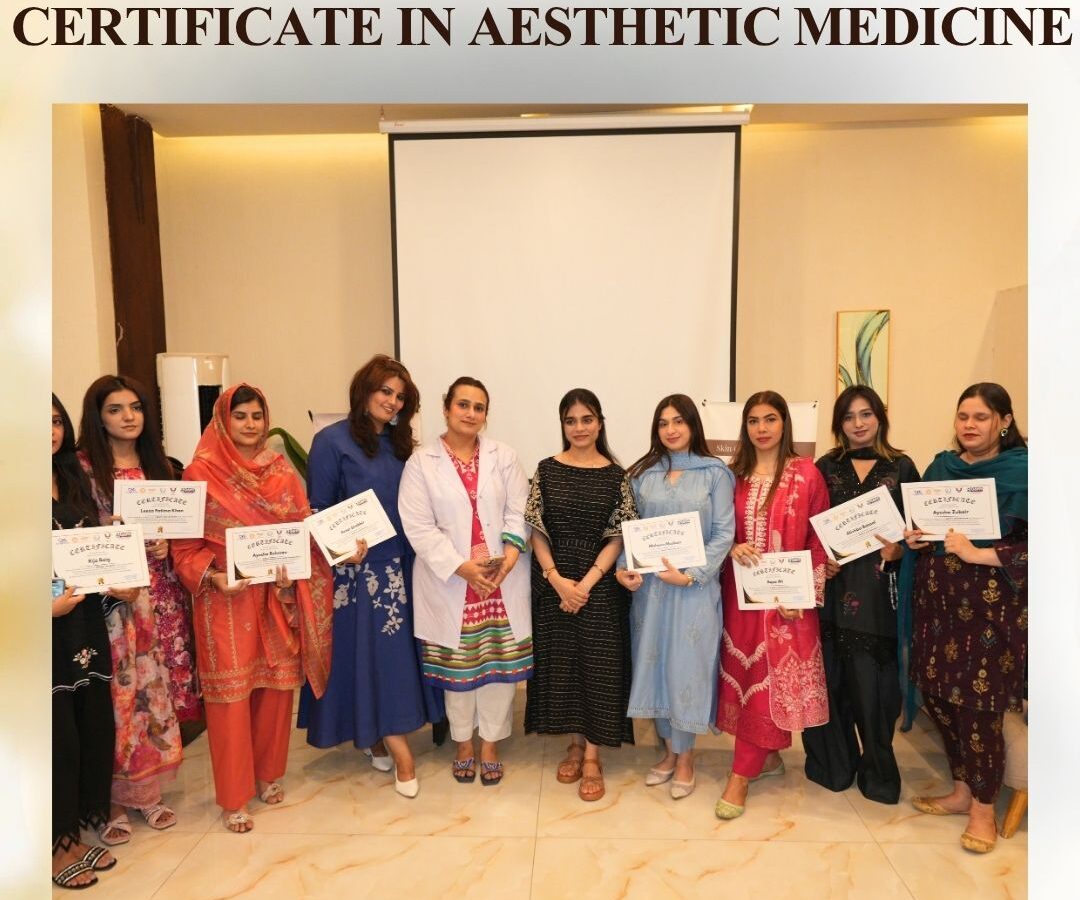
Cosmothetics Academy states that the majority of its course contact time is dedicated to supervised practice, with techniques practiced on live models under faculty supervision.
Practical training can help students develop:
- Equipment handling
- Treatment preparation
- Hand control
- Consultation skills
- Hygiene routines
- Treatment sequencing
- Client communication
- Aftercare guidance
Before enrollment, students should ask exactly how practical sessions are structured and which procedures they will practice.
Who Can Join a Non-Invasive Aesthetic Course?
Cosmothetics Academy currently states that its non-invasive diploma is open to beauty and skincare professionals. It separately states that invasive and injectable modules require a medical or paramedical qualification.
Potential learners may include:
- Beauty professionals
- Skincare professionals
- Aestheticians
- Salon professionals
- Beauty entrepreneurs
- Existing practitioners seeking additional training
Eligibility should always be confirmed with the academy because requirements can vary by program and intake.
Non-Invasive vs Invasive Aesthetic Training
Understanding the difference is important.
Non-Invasive Aesthetics
Training may cover procedures such as:
- Chemical peels
- Hydrafacial
- Certain facial treatments
- Skin rejuvenation
- Selected laser-based treatments
- Microneedling, depending on the program and professional scope
Invasive or Injectable Aesthetics
These can include procedures involving:
- Needles
- Injectables
- Blood-derived treatments
- Dermal fillers
- Other clinical procedures
These areas can have different educational and regulatory requirements.
Cosmothetics Academy itself separates its Non-Invasive Aesthetics Diploma from its Invasive & Injectables Diploma and states that invasive/injectable modules require a medical or paramedical qualification.
Non-Invasive Aesthetic Course vs Aesthetic Short Course
The two terms are not necessarily interchangeable.
A short course may focus on one specific procedure or a small group of skills.
A broader non-invasive aesthetics program may provide:
- More comprehensive theory
- Multiple treatment modules
- Skin analysis
- Consultation
- Safety education
- Practical training
- Aftercare
- Broader treatment knowledge
Cosmothetics Academy currently describes its Non-Invasive Aesthetics Diploma as a 150+ hour, foundation-to-advanced program.
How Long Is the Non-Invasive Aesthetic Course?
Course duration varies between providers.
Cosmothetics Academy currently lists 150+ hours for its Non-Invasive Aesthetics Diploma.
The academy also states that intakes run throughout the year and that fees vary by diploma.
Because schedules and fees can change, prospective students should request the current prospectus before enrolling.
Is a Medical Background Required?
This depends on the specific course and procedure.
For its current non-invasive diploma, Cosmothetics Academy states that the program is open to beauty and skincare professionals. It separately identifies medical or paramedical qualifications as a requirement for its invasive and injectable modules.
This distinction is important because completing a non-invasive aesthetics course does not automatically authorize someone to perform every aesthetic or medical procedure.
Does a Non-Invasive Aesthetic Course Make You a Doctor?
No.
A non-invasive aesthetic course is not equivalent to an MBBS, BDS, dermatology specialization or other medical qualification.
Aesthetic education can provide knowledge and practical training in the subjects included in the course, but students must work within their own professional qualifications and applicable regulations.
For medical postgraduate qualifications in Pakistan, PM&DC maintains specific recognition and registration processes. Its current information states that recognized local postgraduate qualifications require appropriate recognition of the institution and training site.
Therefore, students should not assume that an aesthetic course gives them medical registration or the right to perform regulated medical procedures.
Choosing a Non-Invasive Aesthetic Course
Before enrolling, consider these factors.
Course Curriculum
Ask for the complete syllabus and check which treatments are actually included.
Practical Training
Find out how many practical hours are provided and whether training is supervised.
Trainer Background
Ask about the qualifications and relevant professional experience of instructors.
Equipment
Find out which devices students will use during practical training.
Safety Training
Make sure the curriculum covers consultation, contraindications, hygiene, adverse reactions and aftercare.
Qualification
Ask for the exact name of the certificate or diploma you will receive.
Recognition
If an academy advertises accreditation or recognition, ask which organization provides it and whether that recognition applies specifically to your course.
Fees
Request the current fee, payment schedule and any additional material or equipment costs.
Non-Invasive Aesthetic Course at Cosmothetics Academy
Cosmothetics Academy currently lists its Non-Invasive Aesthetics Diploma as a foundation-to-advanced program with more than 150 hours of training. The published curriculum includes:
- Chemical Peels
- Hydrafacials
- Microneedling
- Laser Skin Rejuvenation
- Skin Analysis & Consultation
- Client Safety & Aftercare
The academy states that training takes place at its Lahore campus and that practical techniques are practiced on live models under direct faculty supervision.
Its current contact page lists:
Cosmothetics Academy
3rd Floor, 1, Mall 2, Eden Canal Villas, Lahore
Phone: 0324 915 0000
Email: info@cosmotheticsacademy.com
The current business listing also identifies Cosmothetics Academy as a training center in Lahore. Cosmothetics Academy
Career Development After Non-Invasive Aesthetic Training
The skills covered in a non-invasive aesthetics course can complement different professional pathways.
Depending on the learner’s existing qualifications and permitted scope of practice, training may support work in areas such as:
- Beauty and skincare services
- Aesthetic clinics
- Skin-focused beauty businesses
- Facial treatment services
- Aesthetic support roles
- Further professional education
- Beauty entrepreneurship
However, a course should not be presented as a guarantee of employment, clients or income.
Professional development also requires continued practice, appropriate client communication and staying within the boundaries of one’s qualifications.
Importance of Continued Learning
Aesthetic technology changes over time.
New devices, products and treatment protocols can become available, while safety recommendations and professional standards can also evolve.
After completing a course, professionals can continue developing through:
- Advanced workshops
- Manufacturer training
- Additional certifications
- Supervised practice
- Professional reading
- Continuing education
- Relevant professional development
A strong foundation makes it easier to evaluate new techniques responsibly rather than adopting procedures simply because they are trending online.
Final Thoughts
A non-invasive aesthetic course can provide structured education in modern skincare and non-surgical aesthetic procedures.
Cosmothetics Academy currently offers a Non-Invasive Aesthetics Diploma in Lahore covering chemical peels, Hydrafacial, microneedling, laser skin rejuvenation, skin analysis, consultation, safety and aftercare. The academy lists the program at 150+ hours and describes supervised practical training on live models.
Before enrolling, review the current curriculum, eligibility requirements, practical hours, fees, qualification details and the professional scope associated with the training.
FAQs – Non-Invasive Aesthetic Course
1. What is a non-invasive aesthetic course?
A non-invasive aesthetic course is a professional training program focused on skincare and aesthetic procedures that do not involve conventional surgery. Topics can include skin analysis, chemical peels, Hydrafacial, microneedling, laser-based treatments, safety and aftercare.
2. Does Cosmothetics Academy offer a non-invasive aesthetic course?
Yes. Cosmothetics Academy currently offers a Non-Invasive Aesthetics Diploma at its Lahore campus.
3. What treatments are included in the Cosmothetics Academy non-invasive diploma?
The current published curriculum includes chemical peels, Hydrafacials, microneedling, laser skin rejuvenation, skin analysis and consultation, and client safety and aftercare.
4. How long is the non-invasive aesthetic course?
Cosmothetics Academy currently lists its Non-Invasive Aesthetics Diploma as 150+ hours.
5. Is practical training included?
Yes. The academy states that the majority of its training is hands-on and that techniques are practiced on live models under direct faculty supervision.
6. Do I need a medical background for a non-invasive aesthetic course?
For its current non-invasive diploma, Cosmothetics Academy states that the program is open to beauty and skincare professionals. Invasive and injectable modules have separate medical or paramedical qualification requirements.
7. Can beginners study non-invasive aesthetics?
Eligibility varies by course. Prospective students should discuss their educational and professional background with the academy before enrollment.
8. Does the course include chemical peel training?
Yes. Chemical peels are listed as one of the core subjects in Cosmothetics Academy’s current Non-Invasive Aesthetics Diploma.
9. Is Hydrafacial included in the non-invasive aesthetic course?
Yes. Hydrafacial training is included in the published curriculum of the Non-Invasive Aesthetics Diploma.
10. Does the course include microneedling?
Yes. Microneedling is one of the treatments listed in Cosmothetics Academy’s current Non-Invasive Aesthetics Diploma.
11. Does the course include laser training?
The current diploma curriculum includes laser skin rejuvenation. The exact devices and practical modules should be confirmed with the academy before enrollment.
12. Does a non-invasive aesthetics course make me a doctor?
No. An aesthetic course is not equivalent to a medical degree or specialist medical qualification.
13. Where is Cosmothetics Academy located?
Cosmothetics Academy’s current contact page lists its campus at 3rd Floor, 1, Mall 2, Eden Canal Villas, Lahore.
14. How can I find the current fee and admission details?
Cosmothetics Academy states that fees vary by diploma and advises prospective students to contact the academy for the current prospectus. Its published contact number is 0324 915 0000.