Intravenous treatments require appropriate knowledge, practical training, patient assessment, infection-control practices, and an understanding of potential risks. For healthcare professionals interested in aesthetic and wellness procedures, structured education can help build a stronger foundation for responsible clinical practice.
If you are searching for an IV glutathione course in Lahore, Cosmothetics Academy offers aesthetic and professional training programs designed to help eligible learners understand the principles behind IV-based treatments and their appropriate clinical use.
Glutathione is an antioxidant naturally produced by the body. It is also available in supplemental forms, including intravenous preparations in some clinical settings. However, IV administration is an invasive procedure and should only be performed by appropriately qualified and authorized healthcare professionals within applicable laws, regulations, and clinical standards.
A professional course should therefore focus not only on the procedure itself but also on patient assessment, contraindications, informed consent, infection prevention, emergency preparedness, documentation, and appropriate follow-up.
What Is an IV Glutathione Course?
An IV glutathione course is a professional training program that may introduce eligible healthcare practitioners to the principles and clinical considerations associated with intravenous glutathione administration.
Depending on the curriculum, training may cover:
- Glutathione fundamentals
- IV therapy principles
- Patient assessment
- Medical history
- Contraindications and precautions
- Informed consent
- Infection prevention
- Aseptic technique
- IV administration principles
- Monitoring during treatment
- Documentation
- Potential adverse reactions
- Emergency preparedness
- Post-treatment guidance
- Professional ethics
The exact curriculum, eligibility criteria, practical components, and certification should be confirmed with Cosmothetics Academy before enrollment.
Why Learn IV Glutathione Administration Professionally?
IV procedures should not be learned through informal demonstrations or online videos alone.
Structured professional education can help eligible practitioners understand the importance of:
- Patient safety
- Appropriate patient selection
- Infection control
- Correct clinical procedures
- Recognition of adverse reactions
- Emergency response
- Documentation
- Professional boundaries
- Ethical practice
A responsible training program should emphasize that patient safety comes before cosmetic goals.
Who Should Consider an IV Glutathione Course?
Because IV administration is invasive, eligibility should be based on professional qualifications, scope of practice, and applicable local regulations.
Depending on the program and applicable requirements, courses may be relevant to appropriately qualified:
- Doctors
- Registered medical professionals
- Eligible healthcare practitioners
- Aesthetic medicine professionals
- Other professionals who are legally authorized to perform the relevant procedure
Cosmetologists, beauticians, or other non-authorized individuals should not assume that completing a short course automatically gives them legal authority to administer IV medications or injections.
Always confirm eligibility and scope of practice before enrollment.
What Can Students Learn?
A comprehensive program can cover the theoretical and practical principles necessary for safe professional practice.
1. Understanding Glutathione
Students can learn about glutathione, its biological role, and the scientific considerations surrounding its use.
Topics may include:
- What glutathione is
- Its role as an antioxidant
- Glutathione metabolism
- Available forms
- General pharmacological considerations
- Evidence and limitations
Training should distinguish between established evidence and claims that have not been adequately demonstrated.
2. IV Therapy Fundamentals
Students can learn the basic principles behind intravenous therapy.
This may include:
- IV therapy terminology
- Basic equipment
- Preparation principles
- Patient positioning
- IV access principles
- Administration considerations
- Monitoring
- Documentation
The exact practical content should correspond to the learner’s professional scope and the academy’s approved curriculum.
3. Patient Assessment
Patient assessment is an important part of any invasive treatment.
Students can learn to consider:
- Medical history
- Current medications
- Allergies
- Previous reactions
- Existing medical conditions
- Pregnancy considerations where relevant
- Treatment objectives
- Relevant contraindications
Appropriate assessment helps determine whether treatment should proceed or whether medical evaluation is necessary.
4. Contraindications and Precautions
Not every patient is suitable for every IV treatment.
Training should cover how to identify potential contraindications and situations requiring additional assessment.
These may include:
- Relevant allergies
- Previous adverse reactions
- Certain medical conditions
- Medication interactions
- Pregnancy-related considerations
- Acute illness
- Problems with venous access
The exact contraindications depend on the formulation, route, patient, and clinical circumstances.
5. Informed Consent
Informed consent is an important part of responsible aesthetic practice.
Before treatment, patients should have an opportunity to understand:
- The proposed procedure
- Its intended purpose
- Potential risks
- Possible side effects
- Alternatives
- Expected outcomes
- Aftercare requirements
Students should understand that consent should be informed, voluntary, and appropriately documented.
6. Infection Prevention and Aseptic Practice
Because IV therapy involves breaking the skin, infection prevention is essential.
Training should address:
- Hand hygiene
- Personal protective equipment
- Skin preparation
- Sterile equipment
- Safe handling of needles
- Sharps disposal
- Clean treatment areas
- Prevention of cross-contamination
These practices help reduce avoidable risks associated with invasive procedures.
7. IV Administration Principles
For appropriately qualified healthcare professionals, practical education may introduce the principles involved in IV administration.
Depending on the approved curriculum, this may include:
- Equipment preparation
- Patient preparation
- IV access principles
- Administration procedures
- Monitoring
- Documentation
- Safe disposal
Practical instruction should be performed only within the learner’s authorized professional scope and under appropriate supervision.
8. Monitoring During Treatment
Patient monitoring is an important component of IV therapy.
Students should understand the importance of observing patients for signs of:
- Discomfort
- Dizziness
- Nausea
- Allergic reactions
- Changes in vital signs
- Local complications
- Other unexpected symptoms
Any concerning reaction should be managed according to appropriate clinical protocols.
9. Recognizing Potential Adverse Reactions
A responsible course should teach learners to recognize potential adverse events rather than presenting IV therapy as risk-free.
Students may learn about:
- Local irritation
- Infusion-related reactions
- Allergic reactions
- Vasovagal reactions
- Infection risks
- Problems associated with IV access
- Other unexpected complications
Training should also explain when treatment must be stopped and when urgent medical intervention is required.
10. Emergency Preparedness
Any clinical environment where IV procedures are performed should have appropriate emergency preparedness.
Training can cover:
- Recognizing emergencies
- Initial response principles
- Emergency equipment
- Escalation procedures
- Documentation
- Referral and emergency services
The specific emergency protocols should follow applicable clinical standards and local regulations.
11. Documentation and Record Keeping
Accurate documentation is part of professional patient care.
Records may include:
- Patient assessment
- Consent
- Relevant medical history
- Treatment details
- Product information
- Batch or lot information where applicable
- Observations
- Adverse reactions
- Aftercare
- Follow-up
Good documentation supports continuity of care and professional accountability.
IV Glutathione and Aesthetic Practice
Glutathione is frequently discussed online in relation to cosmetic goals, particularly skin appearance and pigmentation. However, practitioners should avoid presenting IV glutathione as a guaranteed skin-whitening or beauty treatment.
Individual responses can vary, and the evidence supporting cosmetic uses may be limited or mixed depending on the indication and route of administration.
A professional course should teach students to communicate honestly with patients and avoid unrealistic promises.
Why Patient Safety Matters
IV therapy is different from ordinary cosmetic services because it involves an invasive route of administration.
Important safety principles include:
- Appropriate patient selection
- Qualified practitioners
- Correct clinical procedures
- Sterile equipment
- Infection control
- Emergency preparedness
- Accurate documentation
- Appropriate follow-up
These principles should remain central throughout professional training.
Practical Learning at Cosmothetics Academy
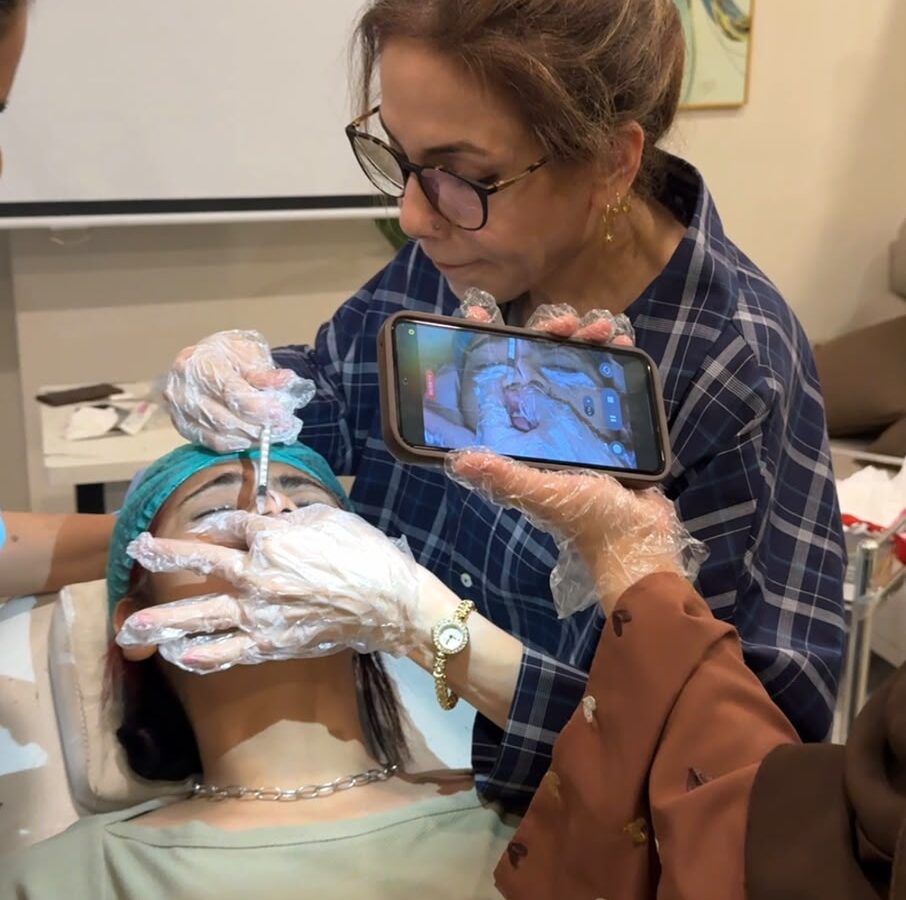
Practical education can help eligible healthcare professionals understand how IV procedures are conducted in an appropriate clinical environment.
Depending on the specific course, practical learning may cover:
- Patient preparation
- Equipment familiarization
- Infection-control procedures
- IV procedure principles
- Patient monitoring
- Documentation
- Adverse-event recognition
The precise practical components should be confirmed with Cosmothetics Academy before admission.
How to Choose an IV Glutathione Course in Lahore
Before enrolling in an IV glutathione training program, consider several important factors.
Check Eligibility
Confirm whether your professional qualification allows you to participate in practical IV training.
Review the Curriculum
Look for a program that covers safety, patient assessment, contraindications, infection control, monitoring, and emergency considerations rather than focusing only on the cosmetic aspects.
Ask About Practical Training
Find out whether practical sessions are included and who supervises them.
Check Instructor Qualifications
Ask about the instructors’ relevant clinical qualifications and experience.
Understand Certification
Confirm exactly what certificate is awarded and what it represents. A training certificate does not necessarily grant a new professional license or expand your legal scope of practice.
Ask About Current Guidelines
Clinical protocols and regulatory requirements can change. Training should be consistent with applicable standards.
Career Applications
For appropriately qualified healthcare professionals, additional aesthetic training may complement existing clinical education.
Depending on qualifications, experience, and local regulations, professionals may work in:
- Aesthetic clinics
- Medical practices
- Dermatology-related settings
- Wellness clinics
- Cosmetic medicine environments
However, completing an individual course does not replace a professional healthcare qualification or legal authorization to practice.
Why Choose Cosmothetics Academy?
Cosmothetics Academy focuses on professional aesthetic education and practical skill development.
Students can benefit from:
- Structured learning
- Professional instruction
- Practical-focused education
- Patient safety principles
- Clinical procedure awareness
- Infection-control education
- Aesthetic medicine learning environment
- Career-oriented training
For IV-related courses, eligibility and professional scope should always be confirmed before practical participation.
IV Glutathione Course in Lahore – Enroll at Cosmothetics Academy
If you are searching for an IV glutathione course in Lahore, Cosmothetics Academy can provide professional education focused on the principles, safety considerations, and clinical practices associated with IV glutathione treatments.
A quality course should go beyond learning how to perform a procedure. It should teach practitioners how to assess patients, obtain informed consent, maintain infection control, recognize potential adverse reactions, document treatment, and respond appropriately when complications occur.
If you are an eligible healthcare professional interested in aesthetic medicine, contact Cosmothetics Academy to confirm the current course curriculum, eligibility requirements, practical training, duration, fees, certification, and upcoming batches.
Frequently Asked Questions
1. What is an IV glutathione course in Lahore?
An IV glutathione course is professional training that may cover glutathione fundamentals, IV therapy principles, patient assessment, infection control, administration principles, monitoring, documentation, and safety.
2. Who can take an IV glutathione course?
Eligibility depends on the course and applicable professional regulations. IV administration should only be performed by appropriately qualified and legally authorized healthcare professionals.
3. Can a beautician perform IV glutathione treatment after completing a course?
A course certificate does not automatically authorize a person to administer IV medications. Legal scope of practice depends on professional qualifications and applicable laws and regulations.
4. Does the course include practical training?
Practical components depend on the specific program. Contact Cosmothetics Academy for the current practical curriculum and eligibility requirements.
5. Is IV glutathione completely safe?
No medical procedure is completely risk-free. IV administration can involve risks such as infection, allergic reactions, infusion-related complications, and problems associated with intravenous access.
6. Is IV glutathione a guaranteed skin-whitening treatment?
No. Cosmetic outcomes are not guaranteed, and claims about skin whitening should not be presented as established or guaranteed results.
7. What topics should a good IV glutathione course cover?
A comprehensive course should address patient assessment, contraindications, informed consent, infection prevention, IV procedure principles, monitoring, adverse reactions, emergency preparedness, and documentation.
8. Does completing the course provide a medical license?
No. A course certificate does not replace a recognized healthcare qualification, professional registration, or legal authorization to practice.
9. Where can I learn an IV glutathione course in Lahore?
Cosmothetics Academy offers aesthetic training programs in Lahore. Contact the academy to confirm the current IV glutathione course availability, eligibility, location, schedule, and curriculum.
10. How can I enroll in the IV glutathione course?
Contact Cosmothetics Academy for information about eligibility, course duration, fees, practical training, certification, admission dates, and upcoming batches.