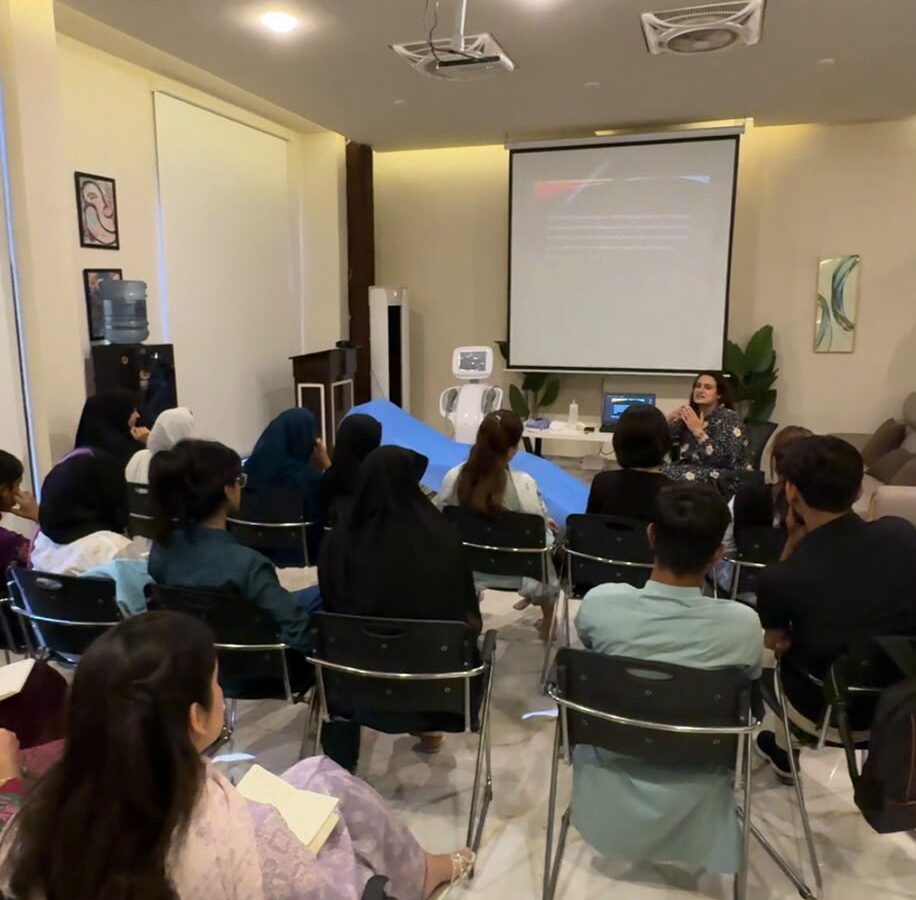
If you want to build professional skills in modern aesthetic treatments, learning how carbon laser procedures are performed can be a valuable addition to your training. A carbon laser course in Lahore can introduce students to the principles, preparation, treatment protocols, safety considerations, and aftercare associated with carbon laser facial procedures.
Cosmothetics Academy provides aesthetic and cosmetology training for students and professionals who want to develop practical knowledge in the growing aesthetics industry. A structured carbon laser training program can help learners understand how carbon-based facial treatments are planned and performed under appropriate professional supervision.
Carbon laser treatments are commonly associated with procedures sometimes called a carbon laser peel, carbon facial, or Hollywood peel. The procedure generally involves applying a carbon-based preparation to the skin and then using a suitable laser system to target the preparation and underlying skin surface. The exact technique, device, settings, and treatment protocol can vary.
For anyone considering a career in aesthetic practice, it is important to understand that laser treatments require appropriate education, supervised practical training, device knowledge, patient assessment, and adherence to applicable professional and regulatory requirements.
What Is a Carbon Laser Course?
A carbon laser course is an educational program designed to teach students the theoretical and practical principles associated with carbon laser facial procedures.
Depending on the academy and course level, training may cover:
- Introduction to carbon laser treatments
- Carbon peel principles
- Basic laser physics
- Skin assessment
- Client consultation
- Treatment preparation
- Carbon application
- Laser parameters
- Treatment protocols
- Safety precautions
- Hygiene and infection control
- Contraindications
- Post-treatment care
- Possible side effects
- Client communication
- Practical demonstrations
The exact curriculum and scope of practice depend on the training provider and the learner’s professional background.
Why Learn Carbon Laser Treatment?
Aesthetic treatments continue to evolve, and professionals often expand their knowledge by learning additional procedures.
Carbon laser training can help learners understand a popular non-invasive aesthetic treatment and how it fits within a broader skincare and aesthetics practice.
Students may benefit from learning:
Treatment Knowledge
Understand the basic principles behind carbon laser procedures.
Practical Technique
Develop familiarity with treatment preparation and appropriate procedural steps under supervision.
Skin Assessment
Learn why skin type, pigmentation, sensitivity, and existing skin concerns matter before treatment.
Safety Awareness
Understand appropriate precautions, contraindications, and potential adverse effects.
Professional Confidence
Structured education and supervised practice can help students become more comfortable with aesthetic treatment protocols.
What Is a Carbon Laser Peel?
A carbon laser peel is a non-invasive aesthetic facial procedure that generally uses a carbon-based lotion or mask followed by laser energy.
The carbon preparation is applied to the skin and allowed to interact with the surface. A suitable laser is then used according to the treatment protocol.
The procedure may be used in aesthetic settings to improve the appearance of:
- Oily skin
- Enlarged-looking pores
- Uneven skin texture
- Dull-looking skin
- Mild superficial pigmentation
- Excess surface oil
Results vary, and not every skin concern is appropriate for carbon laser treatment.
What Do You Learn in a Carbon Laser Course in Lahore?
A comprehensive course should cover both theoretical knowledge and practical considerations.
1. Introduction to Laser Technology
Students can begin by learning fundamental concepts related to laser devices.
Topics may include:
- What laser energy is
- How laser devices interact with tissue
- Wavelength concepts
- Energy and fluence
- Pulse duration
- Spot size
- Cooling systems
- Basic device safety
Understanding these concepts is important because laser settings should not be selected randomly.
2. Understanding Carbon Laser Treatment
Students can learn the basic concept behind carbon laser peels.
The training may explain:
- Why carbon is applied
- How carbon interacts with the laser
- Treatment objectives
- Common treatment areas
- Typical treatment sequence
- Expected temporary effects
The instructor should also explain the limitations of the procedure.
3. Skin Assessment
Skin assessment is an important part of responsible aesthetic treatment.
Students may learn to assess:
- Skin type
- Skin tone
- Oiliness
- Sensitivity
- Texture
- Pigmentation
- Active acne
- Inflammation
- Existing skin conditions
A treatment should be postponed or referred for professional evaluation when a client has a condition that makes the procedure inappropriate.
4. Client Consultation
A consultation helps identify the client’s expectations and relevant risk factors.
Students may learn how to ask about:
- Previous aesthetic treatments
- Current skincare products
- Recent sun exposure
- Skin sensitivity
- Active skin conditions
- Medications
- Allergies
- Previous reactions
- Treatment expectations
Clear communication can help prevent unrealistic expectations.
5. Carbon Application
A carbon-based preparation is an important part of the procedure.
Training may demonstrate:
- Skin cleansing
- Appropriate carbon preparation
- Application technique
- Coverage of the treatment area
- Preparation time
- Removal or treatment sequence
Students should follow the specific product manufacturer’s instructions and the academy’s approved protocol.
6. Laser Parameters
Understanding laser settings is one of the most important components of laser education.
Depending on the device, students may learn about:
- Wavelength
- Fluence
- Pulse settings
- Spot size
- Repetition rate
- Cooling
- Treatment passes
However, laser parameters should always be selected according to the specific device, manufacturer instructions, patient characteristics, and professional protocol.
A training course should not encourage students to use generic settings across different laser machines.
7. Treatment Technique
Practical training can demonstrate how to work systematically across the treatment area.
Students may learn:
- Device positioning
- Movement technique
- Treatment coverage
- Avoiding unnecessary overlap
- Monitoring skin response
- Managing treatment areas
- When to stop or modify treatment
Hands-on training under qualified supervision is particularly important when learning energy-based procedures.
8. Safety and Eye Protection
Laser safety should be an essential component of any laser course.
Training should address:
- Appropriate protective eyewear
- Laser-controlled treatment areas
- Equipment safety
- Patient positioning
- Operator safety
- Warning signs
- Device handling
- Emergency procedures
The correct protective eyewear depends on the wavelength and device being used.
9. Contraindications and Precautions
Not every client is automatically suitable for carbon laser treatment.
Students should learn how to identify situations requiring caution or professional assessment.
These may include:
- Active skin infections
- Open wounds
- Significant skin irritation
- Certain photosensitive conditions
- Recent aggressive procedures
- Recent tanning
- Certain medications
- Relevant medical conditions
The exact contraindications depend on the device, treatment protocol, and individual patient.
10. Post-Treatment Care
Aftercare is an important part of aesthetic treatment.
Students may learn how to advise clients about:
- Gentle skincare
- Sun protection
- Avoiding excessive heat
- Avoiding irritating products
- Temporary skin sensitivity
- Appropriate moisturization
- When to contact the provider
Aftercare instructions should be based on the actual treatment performed and the device manufacturer’s guidance.
Who Can Join a Carbon Laser Course?
The appropriate entry requirements depend on the course and the learner’s professional background.
Potential learners may include:
- Aesthetic professionals
- Beauty professionals
- Cosmetologists
- Skincare practitioners
- Medical professionals
- Existing salon professionals
- Individuals beginning an aesthetics education pathway
Because laser procedures may be regulated differently depending on jurisdiction and professional role, students should confirm whether the course and their intended scope of practice meet applicable local requirements.
Benefits of Taking Carbon Laser Training
A structured training program can provide several educational advantages.
1. Specialized Aesthetic Knowledge
Students can learn about a specific laser-based facial procedure.
2. Practical Exposure
Demonstrations and supervised practice can improve familiarity with treatment protocols.
3. Safety Awareness
Students can learn about eye protection, skin assessment, contraindications, and device safety.
4. Client Consultation Skills
Training can help professionals communicate treatment expectations more effectively.
5. Additional Service Knowledge
For eligible beauty and aesthetic professionals, carbon laser knowledge can complement broader skincare services.
Carbon Laser Course for Beginners
Beginners should look for a course that explains fundamental concepts instead of assuming previous laser knowledge.
A beginner-friendly curriculum may start with:
- Introduction to aesthetics
- Basic skin anatomy
- Laser fundamentals
- Carbon peel principles
- Skin assessment
- Treatment preparation
- Practical demonstration
- Safety procedures
- Aftercare
- Supervised practice
Students should avoid courses that focus only on operating a machine without teaching skin assessment and safety.
Carbon Laser Course for Existing Aesthetic Professionals
Professionals who already work in aesthetics may use carbon laser training to expand their technical knowledge.
An advanced program may focus more heavily on:
- Device operation
- Treatment protocols
- Skin-type considerations
- Treatment customization
- Troubleshooting
- Client selection
- Complication awareness
- Practical case discussions
The appropriate level depends on previous education and professional scope.
Is Carbon Laser Treatment Safe?
Carbon laser treatment can have risks and side effects, like other energy-based aesthetic procedures.
Possible temporary effects can include:
- Redness
- Warmth
- Mild irritation
- Temporary sensitivity
- Dryness
- Swelling in some cases
Incorrect device settings or inappropriate patient selection can increase the risk of adverse effects.
This is why professional education, appropriate device training, patient assessment, protective equipment, and careful treatment protocols are important.
How to Choose a Carbon Laser Course in Lahore
Before enrolling, compare training programs carefully.
Check the Curriculum
Make sure the program covers theory, treatment protocols, safety, contraindications, and aftercare.
Ask About Practical Training
Find out whether students receive supervised hands-on experience or only watch demonstrations.
Consider the Trainer’s Experience
Ask about the instructor’s education, professional experience, and familiarity with the technology being taught.
Ask Which Device Is Used
Different laser systems can have different controls, specifications, and treatment protocols.
Confirm Certification
Ask what certificate is awarded after successfully completing the course.
Ask About Class Size
A smaller practical group may provide more opportunity for instructor feedback.
Check Course Duration
Make sure there is enough time to cover both theoretical concepts and practical skills.
Carbon Laser Course vs. Other Aesthetic Courses
Carbon laser training is one specialized area within aesthetics.
Students may also encounter courses covering:
- Laser hair reduction
- Fractional CO2 laser
- Microneedling
- PRP
- HydraFacial
- Chemical peels
- Skin rejuvenation
- HIFU
- Advanced facial treatments
The right course depends on your career goals, existing qualifications, and professional scope.
Career Opportunities After Carbon Laser Training
Learning carbon laser treatment can complement an existing beauty or aesthetics career.
Potential professional pathways may include:
Aesthetic Clinic Professional
Eligible professionals may incorporate appropriate aesthetic procedures into their practice.
Skin and Beauty Specialist
Carbon laser knowledge can complement broader skincare services.
Beauty Clinic Professional
Professionals can potentially expand their service knowledge according to their qualifications and local regulations.
Aesthetic Entrepreneur
Training can provide knowledge useful for individuals planning a beauty or aesthetic business, although additional qualifications and regulatory requirements may apply.
Training alone does not automatically authorize someone to perform medical or laser procedures. Always verify the requirements that apply to your profession and location.
Why Choose Cosmothetics Academy?
Cosmothetics Academy focuses on aesthetic and cosmetology education in Lahore.
If you are searching for a carbon laser course in Lahore, the academy can provide information about the current curriculum, course duration, practical training, eligibility, fees, certification, and available schedules.
When selecting an aesthetics academy, look beyond the course title. A useful program should provide structured education, practical guidance, safety information, and realistic expectations.
Students should also confirm that the training they receive is appropriate for their intended professional role.
Build Your Aesthetic Career With Practical Knowledge
A successful career in aesthetics requires continuous learning.
After completing carbon laser training, students can continue developing their knowledge through:
- Regular supervised practice
- Additional laser courses
- Skin anatomy education
- Client consultation training
- Device-specific education
- Safety training
- Case-based learning
- Continuing professional development
The combination of technical knowledge, practical experience, ethical client care, and ongoing education can help build a stronger foundation for an aesthetics career.
Frequently Asked Questions
1. What is a carbon laser course in Lahore?
A carbon laser course teaches the theoretical and practical principles associated with carbon laser facial procedures, including skin assessment, carbon application, laser basics, safety, treatment protocols, and aftercare.
2. Is a carbon laser course suitable for beginners?
Some programs are designed for beginners, while others require previous aesthetics or professional experience. Check the current eligibility requirements of Cosmothetics Academy before enrolling.
3. What will I learn in a carbon laser course?
Depending on the program, you may learn laser fundamentals, carbon peel principles, skin assessment, client consultation, treatment preparation, device operation, safety, contraindications, practical techniques, and aftercare.
4. Does the course include practical training?
Practical training depends on the specific program. Ask Cosmothetics Academy whether the current course includes demonstrations, supervised hands-on practice, or both.
5. What is a carbon laser peel?
A carbon laser peel is a non-invasive aesthetic facial procedure that generally involves applying a carbon-based preparation to the skin and using suitable laser energy as part of the treatment protocol.
6. Can I perform carbon laser treatment after completing the course?
Completion of a course does not automatically determine your legal or professional scope of practice. Whether you can perform a laser procedure depends on your qualifications, professional role, local regulations, and the specific treatment and device.
7. How long does a carbon laser course take?
Course duration varies according to the academy, curriculum, and training level. Contact Cosmothetics Academy for the current course schedule and duration.
8. Will I receive a certificate?
Certification depends on the specific course and its completion requirements. Ask Cosmothetics Academy what certificate is provided.
9. Is carbon laser treatment safe?
Carbon laser treatment can have risks and temporary side effects. Proper patient assessment, device-specific training, suitable settings, eye protection, and professional protocols are important for safer treatment.
10. Can carbon laser training help my aesthetics career?
It can add specialized knowledge to an existing aesthetics or beauty skill set. However, career opportunities depend on your qualifications, practical experience, professional scope, and applicable local requirements.
11. How do I choose the best carbon laser course in Lahore?
Compare the curriculum, practical training, trainer experience, device-specific education, safety content, certification, course duration, and eligibility requirements before enrolling.
12. How can I enroll at Cosmothetics Academy?
Contact Cosmothetics Academy for current information about admissions, course dates, fees, eligibility, practical training, and certification.