The aesthetics and skincare industry continues to develop in Pakistan, creating interest in professional education for people who want to build skills in skincare, beauty therapy and aesthetic practice.
If you are searching for aesthetic courses in Pakistan, choosing a structured program can help you learn treatment principles, skin analysis, consultation, hygiene and practical techniques in a more organized way than relying only on informal tutorials.
Aesthetic education can cover a wide range of subjects. Some courses focus on non-invasive skincare and facial treatments, while other programs are designed for healthcare professionals and may include more advanced or invasive procedures.
This difference is important. Your educational background, professional qualification and permitted scope of practice should always match the course you choose.
Cosmothetics Academy is an aesthetics training academy based in Lahore. Its current website describes training across non-invasive, invasive and cosmetology areas, with practical learning and supervised work forming part of its training approach.
What Are Aesthetic Courses?
Aesthetic courses are educational programs that teach students about skincare, beauty treatments and selected aesthetic procedures.
Depending on the course, subjects may include:
- Skin anatomy and basic skin science
- Skin types and skin concerns
- Professional skin analysis
- Facial treatments
- Skincare products and ingredients
- Chemical peel fundamentals
- HydraFacial techniques
- Microneedling fundamentals
- Laser and light-based technology
- Treatment preparation
- Client consultation
- Hygiene and infection-control principles
- Contraindications
- Treatment aftercare
- Professional client care
Not every course covers every procedure. Students should therefore read the actual syllabus and eligibility requirements before enrolling.
Why Study Aesthetic Courses in Pakistan?
Professional aesthetics education can provide a structured way to develop knowledge and practical skills.
Students may choose aesthetic training because they want to:
- Start learning professional skincare
- Expand an existing beauty skill set
- Develop aesthetic treatment knowledge
- Work in an appropriate salon or aesthetic environment
- Improve their understanding of skin analysis
- Learn modern non-invasive techniques
- Build a foundation for further professional education
- Develop skills alongside an existing healthcare or beauty qualification
The right course depends on your background and career objective.
For example, a beginner interested in skincare may need a different program from a qualified healthcare professional seeking advanced clinical aesthetic education.
Types of Aesthetic Courses in Pakistan
There is no single type of aesthetic course. Programs can differ considerably in level and scope.
1. Basic Aesthetic Courses
Beginner-level programs may introduce:
- Basic skincare
- Skin types
- Skin analysis
- Cleansing
- Exfoliation
- Facial treatments
- Product knowledge
- Hygiene
- Client consultation
These courses can provide a foundation for learners entering the beauty and skincare field.
2. Non-Invasive Aesthetic Courses
Non-invasive programs generally focus on techniques that do not involve surgery.
Depending on the specific curriculum, students may study:
- Chemical peels
- HydraFacial
- Skin rejuvenation
- Skin analysis
- Microneedling fundamentals
- Certain laser-based treatments
- Skincare protocols
- Aftercare
Cosmothetics Academy currently lists a Non-Invasive Aesthetics Diploma covering areas such as chemical peels, HydraFacial, microneedling, laser skin rejuvenation, skin analysis and consultation, client safety and aftercare. Its current course information lists 150+ hours and a foundation-to-advanced level.
3. Advanced Aesthetic Courses
Advanced programs can explore more specialized areas of aesthetics.
Depending on the student’s professional background, these may include subjects such as:
- Advanced skin treatments
- Laser technologies
- Regenerative aesthetics
- Advanced consultation
- Treatment planning
- Complication awareness
- Advanced skincare protocols
Students should verify whether an advanced course is intended for beauty professionals, aestheticians, paramedical professionals or medical practitioners.
4. Invasive and Injectable Aesthetic Training
Some aesthetic programs cover procedures involving injections or other invasive techniques.
Examples may include:
- PRP
- Dermal fillers
- Injectable treatments
- Regenerative procedures
These areas require particular attention to professional qualifications, supervision, patient safety and local regulatory requirements.
Cosmothetics Academy currently states that its invasive and injectable modules require a medical or paramedical qualification, while its non-invasive diploma is open to beauty and skincare professionals.
A training certificate should not automatically be interpreted as permission to perform regulated medical procedures.
What Do You Learn in Aesthetic Courses?
A comprehensive program should go beyond simply teaching individual treatments.
Skin Anatomy and Skin Science
Students can learn about:
- Basic skin structure
- Skin functions
- Skin types
- Common skin concerns
- Factors affecting skin condition
This knowledge helps learners understand why different clients may require different approaches.
Professional Skin Analysis
Skin analysis is an important part of treatment planning.
Students may learn how to assess:
- Skin type
- Hydration
- Oiliness
- Sensitivity
- Texture
- Pigmentation
- Visible signs of aging
- Common cosmetic concerns
A proper assessment helps prevent a one-size-fits-all approach.
Facial Treatments
Depending on the curriculum, aesthetic training can introduce students to professional facial procedures.
Topics may include:
- Cleansing
- Exfoliation
- Hydration
- Extraction principles
- Masks
- Skin preparation
- Post-treatment care
The exact procedures should always follow the course syllabus.
Chemical Peel Fundamentals
Chemical peels use specific chemical agents to produce controlled exfoliation of the skin.
Training may cover:
- Different peel categories
- Product selection
- Skin assessment
- Contraindications
- Preparation
- Application principles
- Aftercare
- Potential reactions
Students should understand that chemical peels vary considerably in strength and purpose.
HydraFacial Training
Some aesthetic courses include HydraFacial or similar professional facial technologies.
Training may cover:
- Skin assessment
- Treatment preparation
- Device fundamentals
- Product selection
- Treatment protocols
- Hygiene
- Aftercare
Students should receive training on the specific equipment and products used in their course rather than assuming that knowledge of one device applies to every machine.
Microneedling Training
Microneedling involves creating controlled micro-injuries in the skin using a specialized device.
A responsible training program should cover:
- Skin assessment
- Treatment principles
- Device handling
- Hygiene
- Contraindications
- Treatment preparation
- Aftercare
- Potential complications
Because microneedling involves penetrating the skin, the learner’s professional scope and training level are important considerations.
Laser and Light-Based Aesthetic Training
Modern aesthetics may use different laser and light-based technologies for cosmetic purposes.
Training can introduce learners to concepts such as:
- Basic laser principles
- Light-based technologies
- Skin assessment
- Treatment parameters
- Safety precautions
- Eye protection
- Contraindications
- Aftercare
Laser training should be matched to the learner’s qualification, the specific equipment and applicable local requirements.
Hygiene and Infection Control
Hygiene is one of the most important components of aesthetic education.
Students should understand:
- Hand hygiene
- Clean treatment areas
- Equipment cleaning
- Appropriate disinfection
- Personal protective equipment
- Safe product handling
- Waste disposal
- Cross-contamination prevention
Aesthetic treatments can involve close contact with skin, and some procedures may breach the skin barrier. Proper hygiene therefore needs to be treated as a core professional responsibility.
Client Consultation and Communication
Good aesthetic practice is not only about technical treatment skills.
Students should also learn how to communicate with clients about:
- Their concerns
- Treatment expectations
- Relevant medical history
- Skin history
- Contraindications
- Possible risks
- Aftercare
- Follow-up
Clear communication can help establish realistic expectations before a treatment begins.
Practical Training Matters
Aesthetic procedures are hands-on skills.
Reading about a treatment is different from learning how to perform it correctly under appropriate supervision.
When comparing aesthetic courses in Pakistan, ask:
- How much practical training is included?
- Are demonstrations provided?
- Is supervised practice available?
- What equipment is used?
- Are live models involved?
- Who supervises practical sessions?
- What safety protocols are taught?
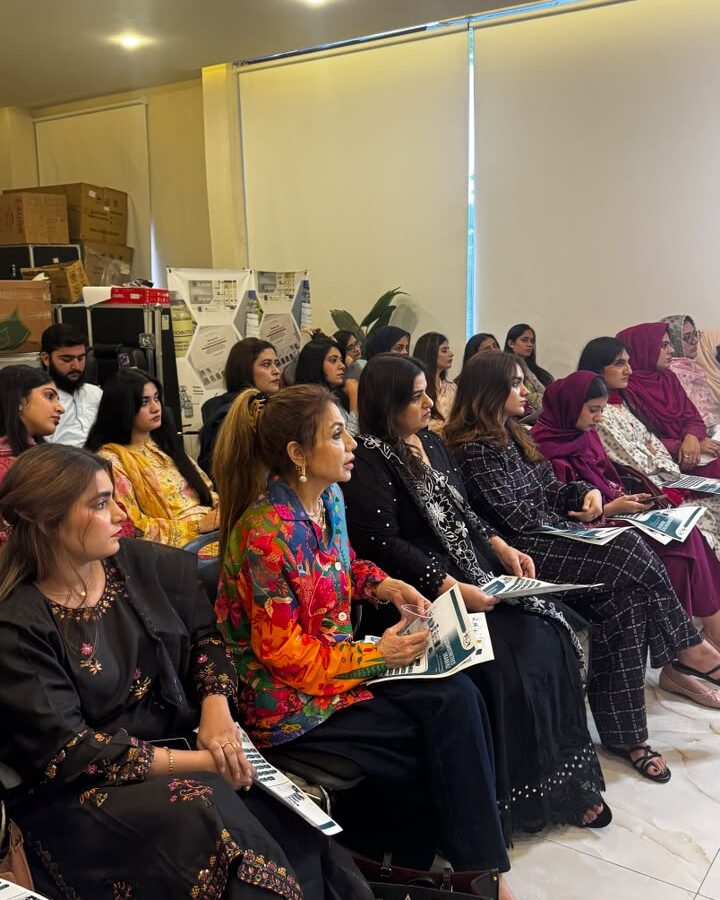
Cosmothetics Academy currently states that the majority of its training is hands-on and that techniques are practiced on live models under faculty supervision.
Who Can Join Aesthetic Courses?
Eligibility depends on the specific course.
Beginners
Introductory skincare or beauty programs may be suitable for beginners who want to develop foundational skills.
Beauticians and Beauty Professionals
Existing beauty professionals can use additional aesthetics education to expand their knowledge.
Skincare Professionals
People already working in skincare may choose advanced training to develop their treatment knowledge.
Medical and Paramedical Professionals
Some advanced aesthetic programs are specifically intended for qualified healthcare professionals.
This distinction is particularly important for courses covering injectables, invasive procedures or medically regulated treatments.
Aesthetic Courses vs Aesthetic Medicine Courses
These terms should not automatically be treated as identical.
Aesthetic courses can cover beauty, skincare, non-invasive treatments and aesthetic technologies.
Aesthetic medicine training may involve clinical procedures and therefore require a relevant healthcare background and appropriate professional authorization.
The title of a course alone does not determine a person’s legal scope of practice.
Do Aesthetic Courses Make You a Doctor?
No.
Completing an aesthetic course does not make someone a medical doctor.
Aesthetic education can provide specific knowledge and skills, but it does not replace a medical degree, medical registration or other professional qualification.
This distinction is especially important when a course includes subjects related to injectables, medical aesthetics or clinical procedures.
Pakistan’s regulatory framework separately governs recognized postgraduate medical qualifications. PM&DC states that for local postgraduate qualifications, both the relevant degree-awarding institution/university and training site must meet its recognition requirements.
HEC has also previously cautioned that clinical degree and diploma programs in fields including aesthetics and cosmetology require the appropriate regulatory approvals.
Therefore, students should verify the exact status of any qualification before treating an aesthetic certificate or diploma as a regulated medical qualification.
How to Choose Aesthetic Courses in Pakistan
Choosing a course requires more than comparing course names.
Check the Syllabus
Make sure the curriculum matches your actual learning goals.
Check Eligibility
Some courses may be open to beginners, while advanced or invasive programs may require medical or paramedical qualifications.
Ask About Practical Hours
Find out how much supervised practical training is included.
Check Trainer Backgrounds
Ask about the instructors’ relevant professional and teaching experience.
Understand Certification
Ask exactly what certificate or diploma you will receive.
Do not assume that terms such as “international,” “accredited,” “recognized” or “certified” mean the same thing as government licensing or professional registration.
Review the Equipment
For technology-based treatments, ask whether students receive training on the equipment relevant to their intended practice.
Ask About Safety
A quality course should address contraindications, hygiene, complications and aftercare—not just treatment techniques.
Aesthetic Courses at Cosmothetics Academy
Cosmothetics Academy is based in Lahore and currently offers aesthetics education across non-invasive, invasive and cosmetology areas. Its current website highlights practical learning and lists multiple aesthetic education pathways.
The academy’s current contact page lists:
Campus: 3rd Floor, 1, Mall 2, Eden Canal Villas, Lahore
Phone: +92 324 915 0000
Email: info@cosmotheticsacademy.com
Its current course information includes a Non-Invasive Aesthetics Diploma with 150+ hours of training and subjects including chemical peels, HydraFacial, microneedling and laser skin rejuvenation.
For students interested in advanced or invasive training, eligibility should be confirmed before enrollment.
Career Opportunities After Aesthetic Training
Aesthetic education can support different professional pathways depending on your qualifications and scope of practice.
Potential directions include:
- Beauty and skincare services
- Aesthetic clinic support roles
- Salon-based skincare services
- Beauty entrepreneurship
- Further aesthetic education
- Specialized skincare training
- Healthcare-related aesthetic practice for appropriately qualified professionals
Completing a course does not guarantee employment or business success. Practical ability, professional qualifications, experience, local requirements and continued learning all matter.
Continue Learning After Your Course
Aesthetics is an evolving field.
Professionals can continue developing by learning about:
- New technologies
- Updated treatment protocols
- Product ingredients
- Skin science
- Safety procedures
- Client consultation
- Infection control
- Professional ethics
- Evidence-based treatment approaches
Continuing education can help professionals keep their knowledge current.
Why Practical Aesthetic Education Is Important
A structured course can connect theory with practical experience.
Instead of learning isolated procedures, students can develop a broader understanding of:
Assessment → Consultation → Treatment Selection → Preparation → Procedure → Aftercare
This approach can encourage students to think about the client’s individual needs rather than simply applying the same treatment to everyone.
Frequently Asked Questions
1. What are aesthetic courses in Pakistan?
Aesthetic courses are professional training programs covering areas such as skincare, skin analysis, facial treatments, aesthetic technologies, hygiene, consultation and selected aesthetic procedures. The exact syllabus varies between institutes.
2. Who can join aesthetic courses in Pakistan?
Eligibility depends on the course. Beginner programs may accept learners without previous experience, while invasive or injectable courses can require medical or paramedical qualifications.
3. What subjects are taught in aesthetic courses?
Depending on the program, subjects may include skin anatomy, skin analysis, facials, chemical peels, HydraFacial, microneedling, laser technologies, hygiene, consultation and aftercare.
4. Are aesthetic courses suitable for beginners?
Some introductory and non-invasive programs can be suitable for beginners. Students should check the individual course’s eligibility requirements before enrollment.
5. Are aesthetic courses practical or theoretical?
Programs can include both theory and practical training. Cosmothetics Academy currently states that the majority of its training is hands-on and supervised.
6. Does an aesthetic course make me a doctor?
No. An aesthetic course does not replace a medical degree, medical registration or other regulated professional qualification.
7. Can beauticians study aesthetic courses?
Yes, some beauty-focused and non-invasive aesthetic programs are designed for beauty and skincare professionals. Advanced or invasive modules may have additional eligibility requirements.
8. Can medical professionals study aesthetic courses?
Yes. Some advanced aesthetic programs are designed specifically for medical or paramedical professionals. Eligibility should be confirmed with the academy before enrollment.
9. How long do aesthetic courses take in Pakistan?
Duration varies considerably by course. Some programs are short courses, while diploma-level programs can involve substantially more training. Always check the current duration and practical hours for the specific program.
10. Do aesthetic courses provide certificates?
Many training providers issue certificates or diplomas, but the type and recognition of the qualification can vary. Students should confirm exactly what credential is awarded.
11. Can I perform medical aesthetic procedures after an aesthetic course?
Not automatically. A training certificate does not by itself establish legal authorization to perform regulated medical procedures. Your qualification, professional registration, training and applicable local requirements must be considered.
12. What should I check before joining an aesthetic course?
Review the syllabus, eligibility requirements, practical hours, trainer background, equipment, safety education, course duration, fees and exact certification details.
13. Where is Cosmothetics Academy located?
Cosmothetics Academy currently lists its campus at 3rd Floor, 1, Mall 2, Eden Canal Villas, Lahore. Its current contact number is +92 324 915 0000.
14. Does Cosmothetics Academy offer non-invasive aesthetic training?
Yes. Its current website lists a Non-Invasive Aesthetics Diploma covering areas including chemical peels, HydraFacial, microneedling, laser skin rejuvenation, skin analysis and consultation, client safety and aftercare.