Liquid nose reshaping, commonly known as liquid rhinoplasty or non-surgical rhinoplasty, is an advanced aesthetic procedure involving dermal fillers to make selected changes to the appearance of the nose. Because the nose has complex blood-vessel anatomy and filler-related complications can be serious, this procedure requires advanced clinical knowledge, appropriate professional qualifications and careful practical education.
If you are searching for a 1 Day Hands-On Liquid Nose Reshaping Course in Lahore, Cosmothetics Academy offers this subject within its published Extensive Invasive Course outline. The course lists a one-day theory module and a separate one-day hands-on module. Prospective learners should contact the academy to confirm the current practical arrangements, eligibility requirements, trainer details and availability.
A hands-on training session should do more than demonstrate a cosmetic technique. It should help eligible professionals understand clinical assessment, patient selection, product considerations, anatomy, safety precautions, informed consent and the responsibilities involved in advanced injectable practice.
At Cosmothetics Academy, the invasive and injectable training pathway is intended for applicants with appropriate medical or paramedical qualifications. A short practical course does not replace professional registration, supervised clinical experience or legal authorisation to perform medical procedures.
What Is Liquid Nose Reshaping?
Liquid nose reshaping is a non-surgical aesthetic procedure that generally uses dermal fillers to alter selected visible contours of the nose. It is also called liquid rhinoplasty or non-surgical rhinoplasty.
Unlike surgical rhinoplasty, it does not involve an operation to remove or reshape nasal bone and cartilage. Instead, filler adds volume to selected areas, which may change how certain contours appear.
For carefully selected individuals, a qualified clinician may consider this approach for particular cosmetic concerns. However, it has important limitations:
- It cannot physically make the nose smaller.
- It cannot remove a nasal hump or excess tissue.
- It cannot correct every structural deformity.
- It does not resolve breathing problems.
- It is not a replacement for surgical assessment where surgery is more appropriate.
A practical training programme should teach learners to understand these limitations and recognise when a patient should be referred for another type of assessment.
What Is a 1 Day Hands-On Liquid Nose Reshaping Course?
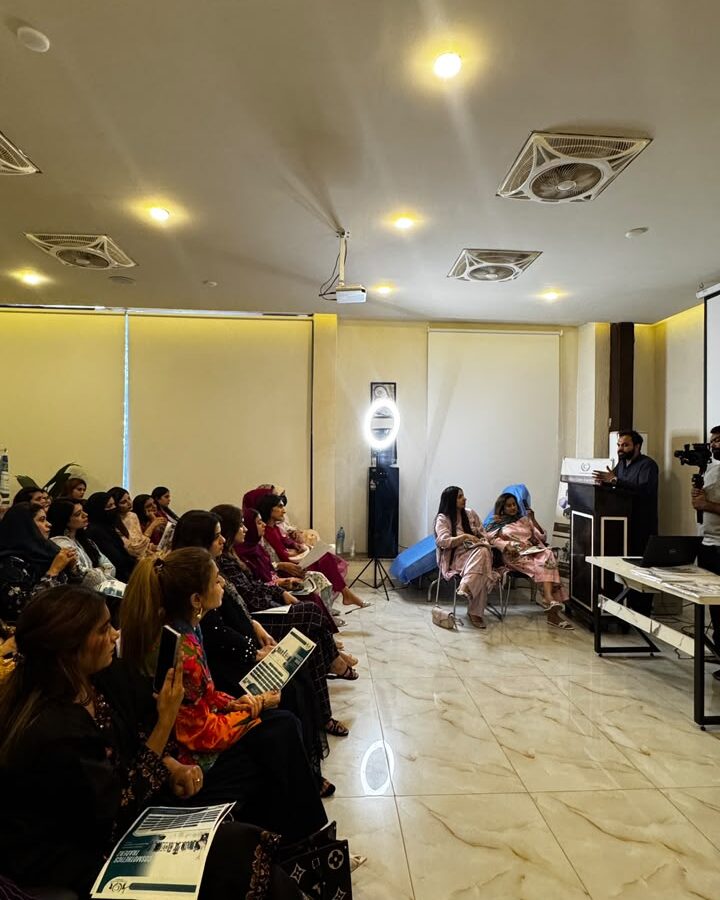
A one-day hands-on course is a practical educational module designed to complement theoretical learning. It may include trainer-led demonstrations, supervised learning activities and discussion of clinical scenarios, depending on the programme’s confirmed format.
Cosmothetics Academy lists Liquid Nose Reshaping as a one-day hands-on module within its Extensive Invasive Course. The academy also lists a separate one-day theory module. Students should confirm whether the practical session includes live-model observation or supervised participation, what arrangements are provided and which activities are permitted for each learner’s professional background.
A responsible practical course should emphasise:
- Understanding nasal anatomy and vascular risk
- Reviewing patient suitability and medical history
- Understanding filler products and their intended use
- Observing appropriate clinical preparation
- Learning professional consent and documentation standards
- Understanding the importance of qualified supervision
- Recognising warning signs of complications
- Learning emergency response and referral principles
- Reviewing follow-up and aftercare responsibilities
The practical emphasis should be on safe clinical judgement and supervised education, not on treating a one-day session as automatic permission to perform injections independently.
Why Is Hands-On Training Important?
Advanced aesthetic procedures involve decisions that cannot be learned through theory alone. Practical education can help qualified professionals understand how clinical knowledge is applied in a controlled learning environment.
1. Connecting Theory With Clinical Practice
Students may understand nasal anatomy in a classroom, but practical teaching helps them appreciate why individual assessment and anatomical variation matter.
2. Learning Through Demonstration
Trainer-led demonstrations can help learners observe professional standards, clinical preparation, communication and decision-making.
3. Understanding Patient Assessment
Practical learning should reinforce the importance of medical history, previous procedures, expectations, suitability and informed consent.
4. Developing Safety Awareness
The nose is a high-risk area for filler-related vascular complications. Hands-on education should make safety, early recognition of warning signs and emergency planning central learning priorities.
5. Understanding Professional Responsibilities
Students should understand the boundaries of their qualifications, the need for appropriate supervision and the importance of working within applicable professional and legal requirements.
What Can Students Learn During the Practical Session?
The exact syllabus should be confirmed with Cosmothetics Academy before enrolment. However, the following areas are important learning objectives for a responsible advanced liquid nose reshaping practical course.
Nasal Anatomy and Clinical Assessment
Learners should develop an understanding of the relevant nasal structures, surrounding facial anatomy and vascular considerations. They should also understand how differences in anatomy can influence clinical suitability.
Patient Consultation and Selection
A practical learning session should explain how to review a patient’s medical history, previous aesthetic procedures, expectations and relevant risk factors.
Students should understand that not every person requesting liquid rhinoplasty is a suitable candidate. Previous nasal surgery, implants, certain medical conditions and individual anatomical concerns may require specialist assessment or make treatment inappropriate.
Product Knowledge
Learners should understand the importance of identifying the exact filler product, manufacturer, intended use, storage conditions and applicable regulatory status.
Product selection must be based on appropriate clinical judgement and the individual’s circumstances, not simply on popularity or price.
Clinical Preparation and Hygiene
Training should address appropriate clinical hygiene, infection prevention, product handling, documentation and consent procedures.
Supervised Demonstration
If the course includes a demonstration, students should understand the learning objectives and the limits of their own participation. Any live-model activity must involve suitable consent, appropriate supervision and participants who are legally and professionally eligible.
Complication Awareness
Learners should study how complications may present, why prompt recognition matters and how the appropriate emergency response and referral pathway should be activated.
Follow-Up and Patient Communication
The session should also cover clear aftercare information, documentation and follow-up arrangements. Patients need to understand which symptoms are expected and which signs require urgent medical attention.
Why Is Nasal Anatomy So Important?
Nasal anatomy is one of the most important subjects in liquid rhinoplasty training. The nose has a complex vascular network with connections to vessels supplying the eye. This creates a risk of serious complications if filler compromises blood flow.
Clinical literature identifies vascular occlusion, skin ischaemia, tissue necrosis and visual loss among the potential serious complications of non-surgical rhinoplasty. These complications are uncommon, but their severity means that nasal filler treatment is not suitable for inexperienced injectors.
A practical course should therefore emphasise:
- The complexity and variation of nasal vascular anatomy
- The importance of appropriate patient selection
- Recognition of warning signs that may indicate vascular compromise
- The need for a documented emergency response plan
- Appropriate access to urgent specialist referral
- The importance of not proceeding when safety concerns remain unresolved
A hands-on course should not encourage learners to attempt this procedure without the necessary qualifications, experience and clinical support.
Understanding the Risks of Liquid Nose Reshaping
Liquid rhinoplasty is not risk-free. Even when performed by an experienced and appropriately qualified practitioner, complications may occur.
Potential complications include:
- Swelling and bruising
- Tenderness or discomfort
- Infection
- Uneven appearance or contour irregularities
- Lumps or nodules
- Vascular occlusion
- Skin ischaemia or tissue necrosis
- Rare but severe visual complications
A published clinical review explains that filler-related vascular compromise in the nose can cause tissue injury and, in rare cases, loss of vision.
This is why emergency preparedness is a fundamental part of advanced filler education. Practitioners must know the appropriate response pathways, have access to necessary clinical support and understand when urgent specialist care is required.
Who Can Join a Hands-On Liquid Nose Reshaping Course?
Liquid nose reshaping is an advanced injectable procedure. A practical training session should only be considered by learners whose qualifications and professional scope are appropriate.
Potential applicants may include:
- Registered medical doctors with relevant clinical backgrounds
- Qualified medical aesthetic practitioners who meet applicable requirements
- Eligible paramedical professionals where local rules permit
- Practitioners with relevant prior education in facial anatomy and injectable aesthetics
Basic beauty, salon or cosmetology training alone does not qualify someone to perform medical injectable procedures.
Cosmothetics Academy states that its invasive and injectable modules require a medical or paramedical qualification. Applicants should submit their credentials for review and confirm whether they are eligible for this specific practical module.
Theory vs Hands-On Liquid Nose Reshaping Training
Theory and hands-on education have different purposes, but both are important.
| Theory module | Hands-on module |
|---|---|
| Introduces nasal anatomy and relevant clinical principles | Reinforces anatomical understanding in a practical learning environment |
| Covers filler knowledge and treatment limitations | May include trainer-led demonstrations |
| Discusses patient assessment and contraindications | Explores assessment and clinical decision-making through supervised learning |
| Explains risks and possible complications | Emphasises safety awareness and emergency preparedness |
| Covers consent and documentation principles | Reinforces professional standards and supervised practice |
Cosmothetics Academy lists both one-day modules for Liquid Nose Reshaping in its Extensive Invasive Course outline. Confirm whether they are booked together, whether the hands-on component can be attended separately and what practical activities are available to each eligible learner.
How to Choose a Liquid Nose Reshaping Hands-On Course
Before enrolling in an advanced injectable training programme, consider more than the course duration or fee.
Review the Practical Syllabus
Ask for the complete course outline and clarify what the hands-on component includes. Find out whether it involves observation, supervised practice or another teaching format.
Check Trainer Qualifications
Ask about the trainer’s professional qualifications, relevant clinical experience and experience teaching advanced injectable procedures.
Confirm Admission Requirements
Make sure your qualifications meet the academy’s requirements and that the programme is appropriate to your professional scope.
Understand the Supervision Arrangements
Ask who supervises the practical session, how learners are assessed and what safeguards are in place if a live model is involved.
Ask About Emergency Preparedness
Because nasal filler treatment carries serious potential risks, ask how the course addresses complication recognition, emergency protocols and referral arrangements.
Verify the Certificate
Ask which organisation issues the certificate, what assessment is required and what the certificate represents. Course attendance does not automatically grant a medical licence, specialist registration or independent practice rights.
Confirm the Course Schedule and Fee
Request the latest prospectus, practical timetable, fee details and any additional requirements before making payment.
Why Consider Cosmothetics Academy in Lahore?
Cosmothetics Academy provides aesthetic education at its Lahore campus and offers invasive and non-invasive training pathways. Its published Extensive Invasive Course outline includes advanced filler topics and lists Liquid Nose Reshaping as a one-day theory and one-day hands-on module.
Before registering, prospective students can ask the admissions team about:
- Current hands-on course dates
- Practical teaching format
- Trainer qualifications
- Medical and paramedical eligibility requirements
- Supervision and model arrangements, if applicable
- The theory module and whether it is a prerequisite
- Course fees and included materials
- Certificate details and assessment requirements
The academy’s website states that its invasive and injectable modules require medical or paramedical qualifications. This distinction helps ensure that learners are directed towards training appropriate to their background.
Career Development After Advanced Injectable Training
A hands-on course can contribute to continuing professional education for an already qualified practitioner. It should be viewed as one part of a wider professional development pathway.
Further development may include:
- Advanced facial anatomy education
- Injectable aesthetics training
- Complication recognition and management education
- Supervised clinical experience
- Relevant professional development and assessment
- Maintaining registration and working within applicable professional rules
A one-day course certificate alone does not establish independent competence or authorise someone to perform liquid rhinoplasty. Learners should follow the requirements of their professional regulator and applicable Pakistani rules.
Enrol in the 1 Day Hands-On Liquid Nose Reshaping Course in Lahore
If you are an appropriately qualified medical or paramedical professional interested in advanced injectable education, contact Cosmothetics Academy to enquire about its Liquid Nose Reshaping practical module.
The academy’s published course outline lists a one-day theory component and a separate one-day hands-on component. Before registering, confirm the current date, fee, practical format, trainer details, admission criteria and whether the session is available as a separate booking.
Cosmothetics Academy – Contact Details
- Address: 3rd Floor, 1, Mall 2, Eden Canal Villas, Lahore, Pakistan
- Phone: +92 324 9150000
- Email: info@cosmotheticsacademy.com
- Website: Cosmothetics Academy
- Course page: Extensive Invasive Course
- Contact page: Contact Cosmothetics Academy
Conclusion
A 1 Day Hands-On Liquid Nose Reshaping Course in Lahore can provide an opportunity for eligible professionals to explore the practical and clinical considerations involved in non-surgical rhinoplasty.
A responsible programme should connect anatomical knowledge with patient assessment, product understanding, supervised learning, complication awareness and professional responsibilities. Because the nose is a high-risk area for filler-related vascular complications, practical education must place safety and appropriate clinical supervision first.
Cosmothetics Academy lists a one-day hands-on Liquid Nose Reshaping module within its Extensive Invasive Course. Contact the academy to confirm the current schedule, eligibility criteria and practical arrangements before enrolling.
Frequently asked questions (FAQs)
1. What is a 1 Day Hands-On Liquid Nose Reshaping Course in Lahore?
It is a practical educational module covering the clinical and practical considerations of non-surgical rhinoplasty, including anatomy, patient assessment, product knowledge, supervised learning and complication awareness.
2. Does Cosmothetics Academy offer hands-on liquid nose reshaping training?
Yes. The academy’s published Extensive Invasive Course outline lists Liquid Nose Reshaping as a one-day hands-on module. Contact admissions to confirm the next available session.
3. How long is the liquid nose reshaping practical course?
The published course outline lists one day of hands-on training. Confirm the exact teaching hours and timetable with the academy.
4. Is a theory class also included?
The academy separately lists a one-day theory module for Liquid Nose Reshaping. Ask whether both modules are required or can be booked separately.
5. What will students learn during the hands-on course?
The practical learning objectives should include anatomy, clinical assessment, product knowledge, supervised demonstrations, patient safety, complication awareness and professional responsibilities. Confirm the exact activities in the current syllabus.
6. Who can enrol in this course?
The course is intended for appropriately qualified medical and paramedical professionals who meet the academy’s admission requirements. Applicants should confirm eligibility before registration.
7. Can beauticians or cosmetologists perform liquid nose reshaping after completing this course?
A beauty or cosmetology certificate alone does not authorise someone to perform medical injectable procedures. Appropriate professional qualifications and applicable legal authorisation are required.
8. Does the course include practice on live models?
The academy describes hands-on practical education within its broader training approach. However, applicants should confirm whether this specific module includes live-model observation or supervised participation and what eligibility conditions apply.
9. Is liquid nose reshaping the same as surgical rhinoplasty?
No. Liquid nose reshaping generally uses dermal fillers to make selected visual contour changes. Surgical rhinoplasty involves an operation that can alter nasal structures. Fillers cannot reduce the physical size of the nose or correct every structural concern.
10. Why is liquid nose reshaping considered a high-risk procedure?
The nose has complex vascular anatomy. Filler-related vascular complications can cause tissue damage and, rarely, visual loss. Appropriate qualifications, anatomical knowledge and emergency preparedness are essential.
11. Does completing this course qualify someone to perform liquid rhinoplasty independently?
No. A one-day course does not replace recognised qualifications, professional registration, supervised clinical experience or the legal authority required to perform medical procedures.
12. Will students receive a certificate?
Ask Cosmothetics Academy about the certificate title, issuing organisation, assessment requirements and what the certificate represents before enrolment.
13. Where is Cosmothetics Academy located?
Cosmothetics Academy is located at 3rd Floor, 1, Mall 2, Eden Canal Villas, Lahore, Pakistan.
14. How can I get the course fee and admission details?
Contact Cosmothetics Academy at +92 324 9150000 or email info@cosmotheticsacademy.com to request the current fee, timetable, syllabus and admission requirements.